
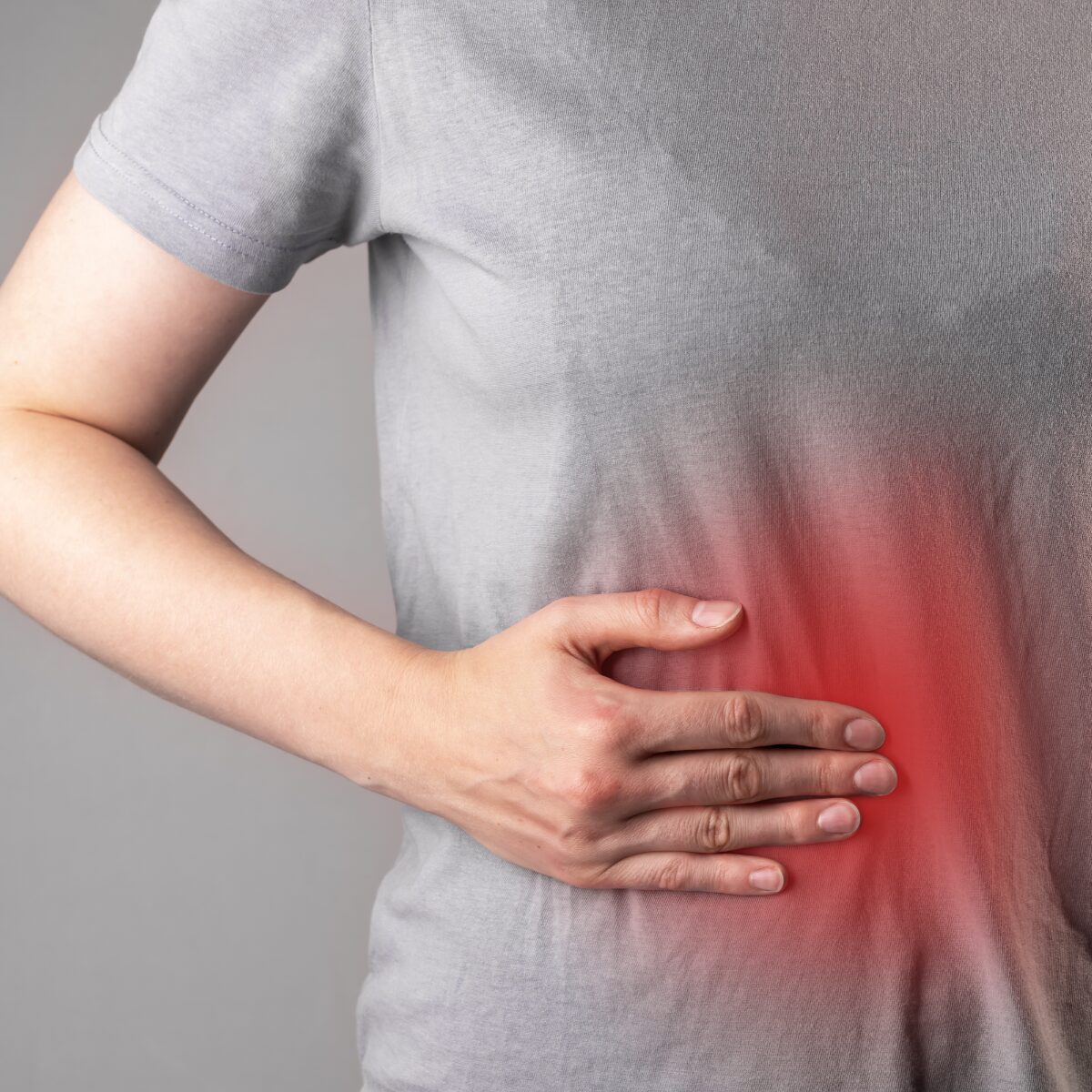
Fatty liver disease, particularly non-alcoholic fatty liver disease (NAFLD), is a growing concern worldwide. One promising approach to support liver health is through glutathione, a natural antioxidant with proven benefits. This article explores the potential benefits of glutathione for fatty liver, how it works, and why it’s gaining attention as a natural option for improving liver health.
What Is Fatty Liver Disease?
Fatty liver disease occurs when fat accumulates in the liver, leading to inflammation and impaired liver function. It can be categorized into two types:
- Alcoholic Fatty Liver Disease (AFLD): Caused by excessive alcohol consumption.
- Non-Alcoholic Fatty Liver Disease (NAFLD): Linked to obesity, diabetes, and poor diet rather than alcohol intake.
Left unmanaged, fatty liver disease can progress to more severe conditions like cirrhosis or liver failure, highlighting the importance of early intervention and effective management strategies.
The Role of Glutathione in Liver Health
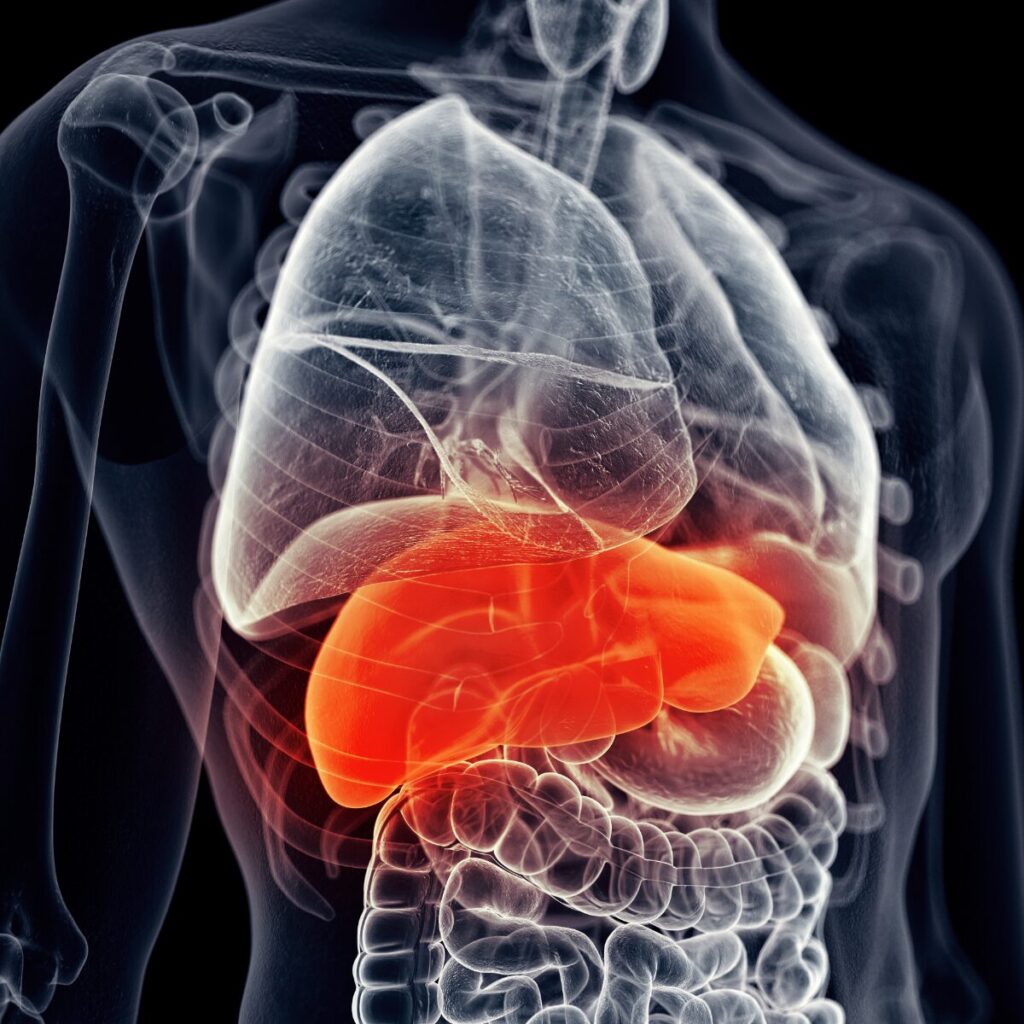
Glutathione is crucial for liver health, acting as a powerful antioxidant that helps detoxify the body and protect liver cells from damage. It plays a key role in the liver’s detoxification processes, neutralizing harmful toxins and ensuring they are safely excreted.
Without enough glutathione, the liver struggles to handle these toxins, increasing the risk of liver damage. It also helps protect the liver from oxidative stress, which can lead to conditions like fatty liver, cirrhosis, and hepatitis.
Glutathione supports fat metabolism, preventing fat buildup in the liver, and aids in the repair and regeneration of liver cells. Maintaining optimal glutathione levels is vital for a healthy liver and can be especially beneficial for those managing fatty liver disease.
Glutathione for Fatty Liver: How It Helps
Reduces Oxidative Stress
Oxidative stress plays a significant role in the development and progression of fatty liver disease. Glutathione neutralizes free radicals, reducing inflammation and preventing cellular damage in liver tissue.
A 2017 pilot study demonstrated that oral glutathione supplementation significantly improved liver enzyme levels, triglycerides, and oxidative stress markers in patients with NAFLD, suggesting its potential as a supportive therapy (Honda et al., 2017).
Enhances Detoxification
The liver relies on glutathione for Phase II detoxification, where harmful substances are converted into water-soluble compounds for excretion. By boosting glutathione levels, the liver’s ability to process toxins and metabolic byproducts improves, reducing the burden on this vital organ.
Improves Insulin Sensitivity
Insulin resistance is a key factor in the development of NAFLD. Research indicates that glutathione supplementation may enhance insulin sensitivity, helping to regulate blood sugar levels and reduce fat accumulation in the liver.
Promotes Fat Metabolism
Glutathione aids in breaking down fats more efficiently, preventing their accumulation in liver cells. This action supports normal liver function and reduces the risk of NAFLD progressing to more severe conditions like nonalcoholic steatohepatitis (NASH) (Rolo et al., 2012).
How to Boost Glutathione Levels
Dietary Sources
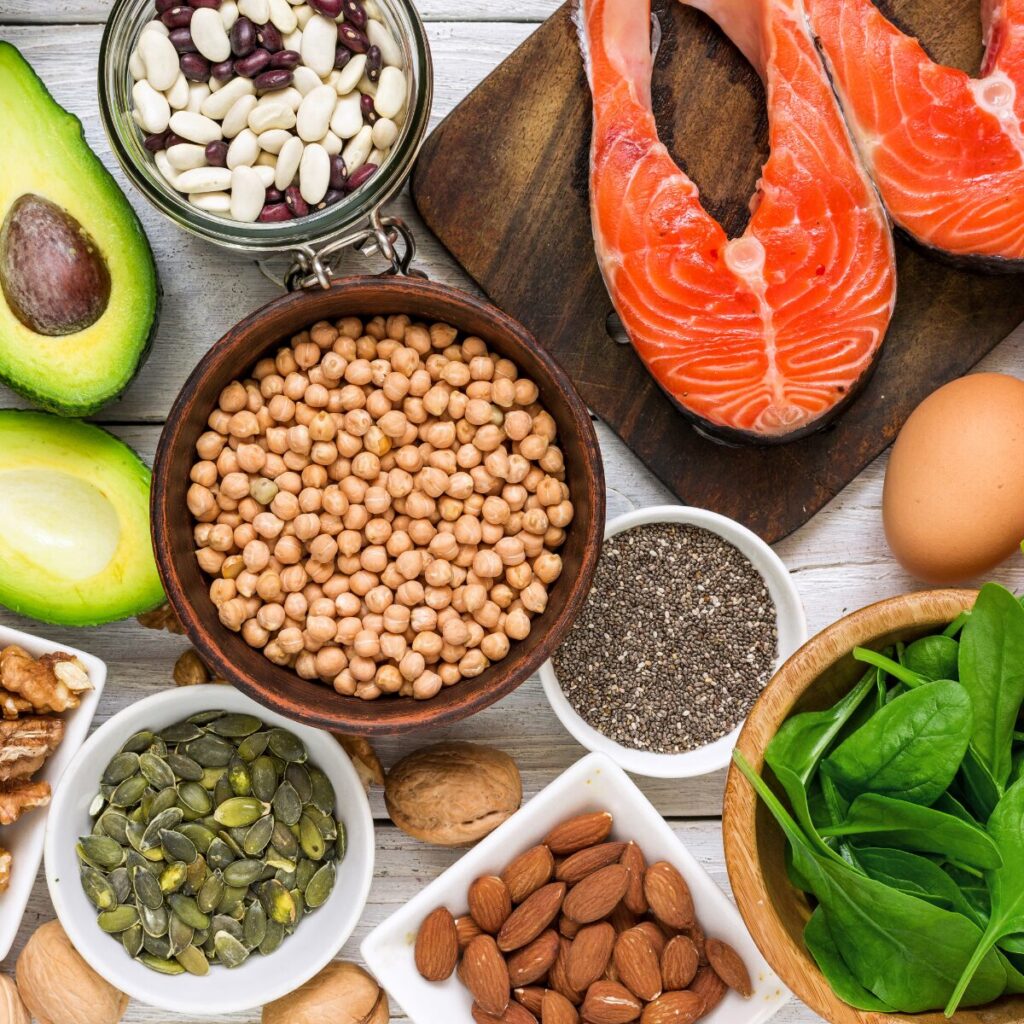
While the body naturally produces glutathione, certain foods can support its production:
- Cruciferous Vegetables: Broccoli, kale, and Brussels sprouts.
- Sulfur-Rich Foods: Garlic, onions, and eggs.
- Fruits: Avocados and oranges.
Supplementation and Therapy
Dietary sources alone may not provide sufficient glutathione for therapeutic benefits, especially in individuals with fatty liver disease. This is where supplementation and targeted therapies come in:
- Glutathione Supplements: Available in oral or liposomal forms.
- Glutathione Injections (IM or IV): Delivered directly into the bloodstream or muscle for maximum absorption.
At Prime IV Hydration & Wellness, we offer specialized glutathione injections and glutathione IV therapies tailored to your needs. These treatments deliver a potent dose of glutathione to support liver health and overall wellness.
Conclusion
The link between glutathione and fatty liver highlights the potential of this antioxidant in supporting liver health, reducing oxidative stress, and improving metabolic function. Whether through diet, supplements, or professional therapies, boosting glutathione levels could be a valuable step in managing fatty liver disease.
At Prime IV Hydration & Wellness, we’re committed to helping you achieve better health. Our glutathione injections and IV therapies are designed to provide targeted support for your liver and overall well-being. Contact us today to learn more about how we can assist you on your wellness journey!