
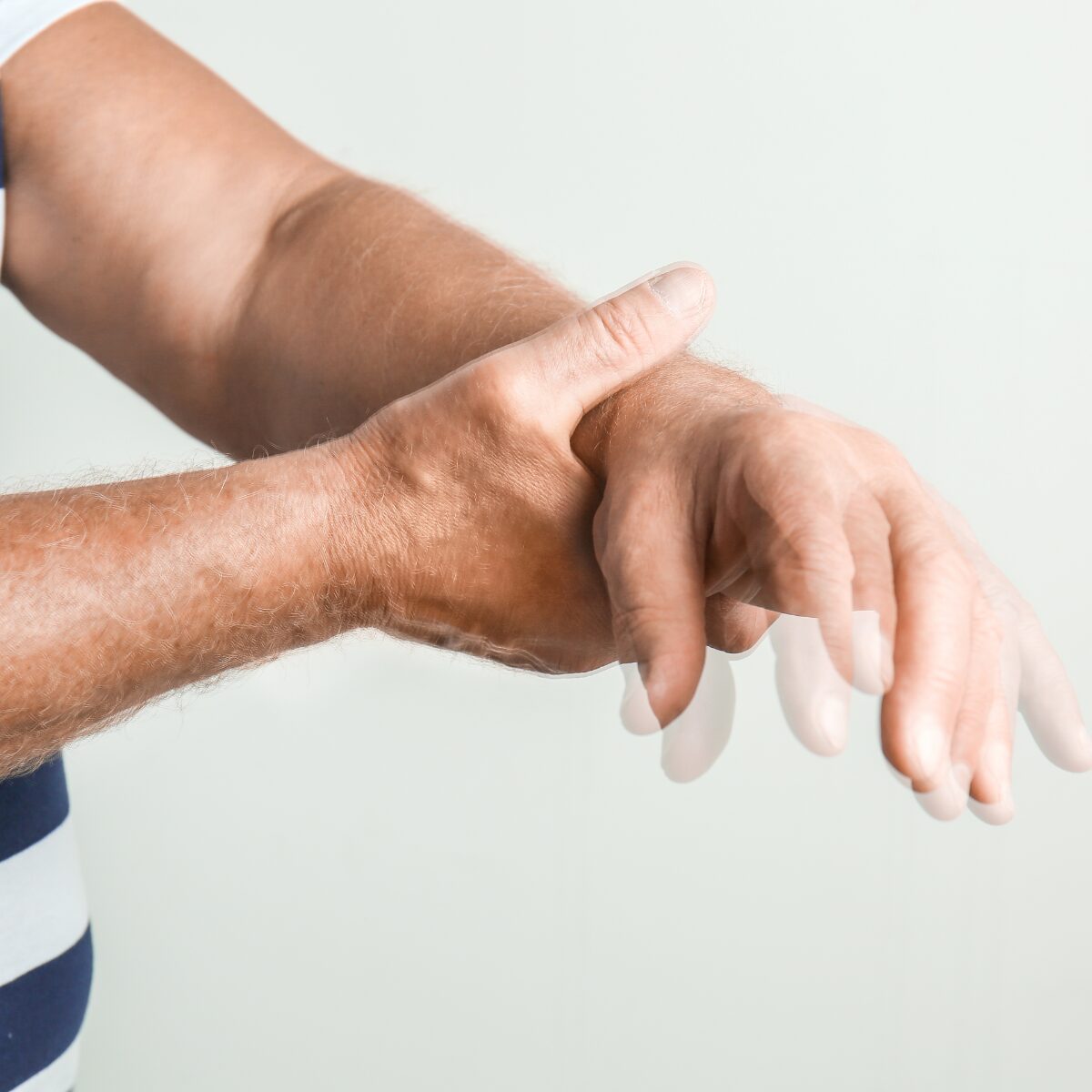
Managing Parkinson’s disease (PD) often focuses on alleviating symptoms and slowing its progression. Recent studies suggest that glutathione may hold promise in supporting brain health and reducing oxidative damage in individuals with Parkinson’s disease.
But what role does glutathione play, and how might it make a difference for those living with this neurodegenerative disorder? This article explores the connection between glutathione for Parkinson’s disease, its mechanisms of action, and the scientific evidence supporting its potential benefits.
What Is Glutathione?
Glutathione is a powerful antioxidant made up of three amino acids: glutamine, cysteine, and glycine. It is present in every cell of the body and plays an essential role in protecting cells from damage.
Its primary functions include neutralizing free radicals, reducing oxidative stress, and supporting mitochondrial function, which is crucial for energy production. Glutathione also aids in detoxifying harmful substances, especially in the liver.
In the brain, glutathione is particularly important for protecting neurons from oxidative damage, which is a key factor in neurodegenerative diseases like Parkinson’s disease.
The Role of Oxidative Stress in Parkinson’s Disease
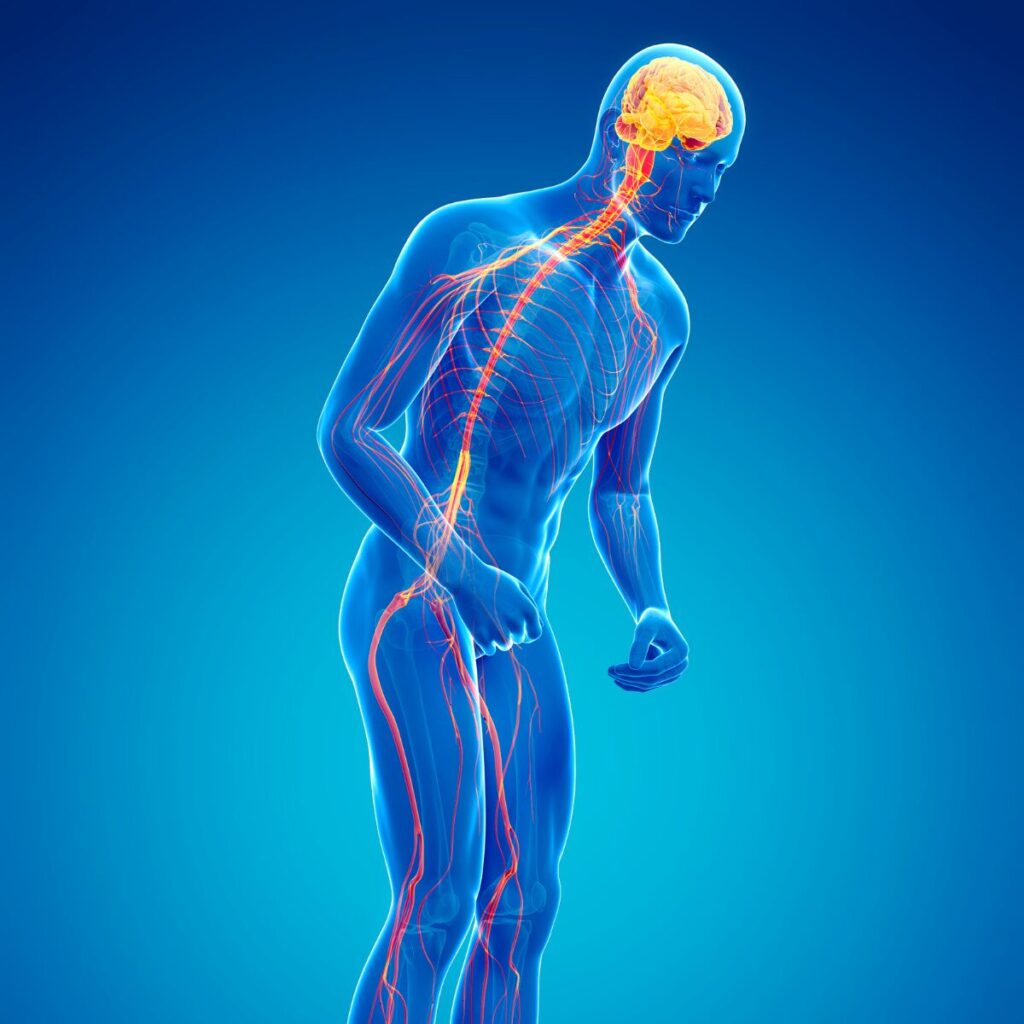
Parkinson’s disease is characterized by the gradual loss of dopamine-producing neurons in the brain, particularly in a region called the substantia nigra. One of the primary culprits in this degeneration is oxidative stress—a condition where free radicals outnumber the body’s natural antioxidants, leading to cell damage.
Elevated oxidative stress can:
- Damage dopamine-producing neurons, worsening motor and non-motor symptoms.
- Trigger inflammation in brain tissue, accelerating neurodegeneration.
- Contribute to mitochondrial dysfunction, impairing energy production in cells.
Research indicates that individuals with Parkinson’s disease often have depleted glutathione levels in their brains, leading to a reduced ability to combat oxidative damage.
Glutathione for Parkinson’s Disease: What the Science Says
Neuroprotective Effects
Glutathione (GSH) neutralizes harmful free radicals, shielding dopamine-producing neurons from oxidative stress, a key factor in Parkinson’s disease (PD) progression. Research shows that GSH depletion perpetuates oxidative stress and mitochondrial dysfunction in the substantia nigra, leading to cell death and neurodegeneration (Mischley et al., 2016).
Symptom Relief

Glutathione supplementation has shown promise in alleviating non-motor symptoms like fatigue, mood disorders, and cognitive decline, improving the overall quality of life for Parkinson’s patients (Wang HL et al., 2020).
Stabilizing Mitochondrial Function
Mitochondrial dysfunction is a hallmark of PD. Studies have shown that GSH plays a critical role in maintaining mitochondrial health by regulating oxidative stress. A study highlighted how antioxidants like glutathione protect mitochondria from dysfunction, thereby preserving cellular energy production and reducing neuronal death (Stack et al., 2008).
Potential to Slow Disease Progression
By neutralizing harmful free radicals, glutathione may help slow the progression of Parkinson’s disease. A study found that reduced glutathione levels in the substantia nigra correlated with the severity of Parkinsonian symptoms.
Can Glutathione Replace Traditional Parkinson’s Treatments?
While glutathione shows promise, it is not a standalone treatment for Parkinson’s disease. Instead, it can complement existing therapies, such as:
- Levodopa and dopamine agonists for motor symptoms.
- Physical therapy for improved mobility.
- Dietary changes to support overall health.
Always consult with a healthcare provider to determine whether glutathione supplementation is right for you.
Methods of Glutathione Supplementation for Parkinson’s Disease
Dietary and Oral Supplements
Oral glutathione supplements are available but may have lower absorption rates compared to other methods, as the digestive system breaks down much of the glutathione. However, incorporating foods rich in glutathione precursors—like broccoli, garlic, and avocados—can help boost natural production.
Additionally, supplements containing N-acetylcysteine (NAC), a precursor to glutathione, can further support the body’s antioxidant defenses.
Intravenous (IV) Therapy
Glutathione IV therapy delivers this nutrient directly into the bloodstream, ensuring maximum absorption and quick results. This method has been shown to improve motor symptoms and enhance overall well-being in individuals with Parkinson’s by rapidly replenishing glutathione levels and reducing oxidative damage.
Intramuscular (IM) Injections
IM injections offer a steady release of glutathione into the body, providing long-term support for managing Parkinson’s symptoms. While the effects may not be as immediate as IV therapy, glutathione IM injections help maintain optimal glutathione levels over time.
At Prime IV Hydration & Wellness, we offer both IV and IM glutathione therapies tailored to meet individual needs, supporting brain health and overall wellness for those with Parkinson’s disease.
Conclusion
The potential benefits of glutathione for Parkinson’s disease are promising, particularly in addressing oxidative stress, improving mitochondrial function, and protecting neurons. While more research is needed, glutathione supplementation—through IV or IM therapies—can serve as a valuable addition to traditional Parkinson’s treatments.
At Prime IV Hydration & Wellness, we are committed to offering personalized glutathione therapies to support your health and wellness journey. Contact us today to learn more about how our treatments can help you achieve better brain health and quality of life.